

 OFFICE Hours
 216 Queen St.
The Healing Power of Spring: Coping with Grief as the Seasons Change

Spring often arrives with reminders of renewal—longer days, softer air, and the quiet return of life after winter. But for those experiencing grief, this season can feel emotionally complex, bringing both comfort and unexpected waves of sadness. The contrast between the world “coming back to life” and the internal experience of loss can feel especially intense.
Change in nature often mirrors change within us, even when we are not ready for it. As the snow melts and flowers begin to bloom, many people find themselves reflecting more deeply on memory, absence, and emotional healing. This is what makes spring such a powerful and sometimes overwhelming season for those navigating grief.
This blog explores how the shift into spring can support emotional recovery while also acknowledging the challenges of loss. Through reflection, connection to nature, and gentle self-awareness, healing can unfold at its own pace—without pressure or expectation.
Embracing Seasonal Change in the Grieving Process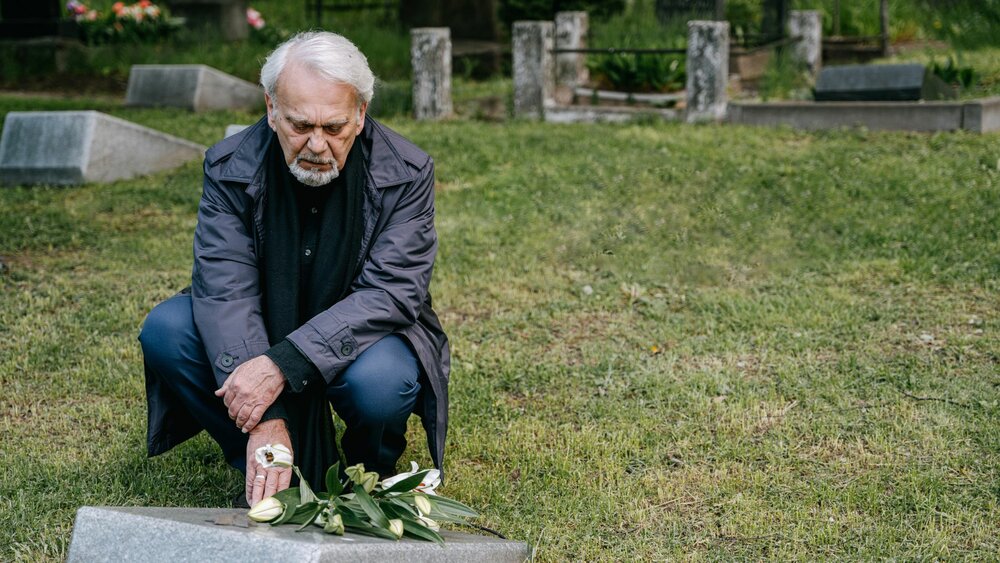
Spring symbolizes growth, but grief does not follow a straight path. While the world outside begins to warm and expand, the emotional experience inside us may still feel heavy, uncertain, or even frozen in time.
Seasonal change can act as an emotional trigger. The brighter light, familiar scents returning to the air, and the reappearance of life in gardens and parks can bring memories rushing back. For some, this can feel comforting. For others, it can reopen feelings of loss.
Grief during seasonal transitions is often misunderstood. People may expect improvement simply because the environment is improving. But emotional healing does not follow nature’s schedule. It moves in waves, not lines.
Key emotional experiences during seasonal grief include:
- Feeling emotional contrast between inner grief and outer renewal
- Experiencing unexpected memories triggered by seasonal cues
- Becoming more reflective during longer daylight hours
- Feeling isolated when others appear more “energized” by spring
- Oscillating between hope and sadness within the same day
It is important to understand that both joy and sorrow can coexist. A sunny day does not cancel grief, just as grief does not erase the possibility of moments of peace.
Spring also gently reinforces an important truth: change is natural. Even when healing feels impossible, life continues to move forward in small, steady ways. This can serve as a quiet reminder that emotional recovery is also unfolding, even when it is not immediately visible.
The goal is not to rush through grief, but to allow it to exist alongside the changing world.
Finding Comfort in Nature and Renewal
Nature can become a powerful source of emotional grounding during grief. In spring especially, the natural world begins to reawaken slowly and gently, offering quiet lessons in patience and resilience.
Unlike human expectations, nature does not demand emotional readiness. A flower does not bloom faster because it is expected to—it blooms when it is ready. This can be a powerful metaphor for healing.
Many people find that being outdoors creates space for emotional release without pressure. There is something calming about observing life continuing at its own pace, regardless of personal struggle.
Ways nature supports grief healing:
- Spending time walking in parks, forests, or near water
- Sitting quietly outdoors and practicing mindful breathing
- Gardening or planting flowers as a symbolic act of renewal
- Observing seasonal changes such as birds returning or trees budding
- Listening to natural sounds like wind, rain, or birdsong
Gardening, in particular, can be deeply therapeutic. Planting something new can represent continuity—a living reminder that growth is still possible, even after loss. It does not replace what has been lost, but it gently creates space for something new to exist alongside grief.
Mindfulness in nature can also help ground overwhelming emotions. Instead of trying to “fix” how you feel, you simply observe: the warmth of sunlight, the texture of soil, the rhythm of breathing. These small moments help bring the mind back to the present.
Even five or ten minutes outdoors can create emotional breathing room during difficult days.
Creating Personal Rituals of Remembrance
Spring can also be a meaningful time to honour loved ones through personal rituals. While grief is deeply individual, rituals offer structure, comfort, and connection to memory.
These practices do not have to be formal or traditional. In fact, the most meaningful rituals are often simple, personal, and heartfelt.
They serve one important purpose: to keep connection alive in a way that feels gentle and supportive.
Meaningful remembrance ideas include:
- Lighting a candle in the morning or evening in their memory
- Visiting a place that was meaningful to them during springtime
- Writing letters expressing thoughts, memories, or updates
- Creating a memory garden with flowers or plants they loved
- Displaying photographs in a quiet space at home
- Playing music that reminds you of shared moments
- Donating flowers or plants in their honour
These rituals help transform grief from something internal and overwhelming into something expressed and acknowledged. They allow emotion to move outward rather than remain bottled inside.
Memory gardens are especially powerful in spring. Planting flowers or trees becomes a living tribute that changes and grows over time. Each bloom becomes a reminder that love and memory continue, even when someone is no longer physically present.
Rituals also create continuity. They give grief a place to go—something structured, intentional, and safe.
Over time, these acts may shift from being deeply emotional to quietly comforting, becoming part of ongoing remembrance.
Allowing Space for Emotional Growth
Healing is not about forgetting—it is about learning how to carry grief differently as time moves forward. In the beginning, grief can feel all-consuming. Over time, it may soften, shift, or become more integrated into daily life.
But emotional growth does not mean constant improvement. There will still be difficult days, unexpected waves of sadness, and moments when loss feels just as fresh as before.
This is completely normal.
Spring can gently remind us that growth is not always visible on the surface. Beneath the soil, roots are strengthening long before anything appears above ground. Emotional healing works in a similar way.
Ways to support emotional growth during grief:
- Accepting that grief will fluctuate rather than disappear
- Practicing self-compassion instead of self-judgment
- Allowing rest when emotional energy is low
- Talking openly with trusted friends or family
- Joining grief support groups or community spaces
- Journaling thoughts, memories, and emotions regularly
- Setting realistic expectations for daily functioning
Journaling can be especially helpful during this season. Writing allows emotions to move from the mind onto paper, creating clarity and release. It does not need to be structured or perfect. Even a few sentences can help process overwhelming feelings.
Self-compassion is also essential. Many people place pressure on themselves to “feel better by spring,” especially when others seem more active or joyful. But grief is not a timeline—it is a process.
Allowing yourself to simply be where you are is a form of healing in itself.
Living with Both Memory and Renewal
One of the most challenging aspects of grief is learning how to live in a world that continues to change. Spring, with its emphasis on renewal, can intensify this feeling. But it can also offer a quiet truth: life holds both memory and renewal at the same time.
You do not have to choose between remembering and moving forward. Both can exist together.
A blooming tree does not erase the winter that came before it—it grows because of it. In the same way, grief becomes part of your story, shaping how you experience love, connection, and memory.
Over time, many people find that grief changes form. It becomes less about constant pain and more about quiet presence. A memory that once felt sharp may soften into something more gentle.
This does not mean forgetting. It means learning to live alongside loss in a way that feels sustainable.
Conclusion
Spring reminds us that even after the darkest seasons, life continues to grow in quiet and unexpected ways. While grief may not disappear, it can soften with time, care, and connection to the world around us.
Allow yourself to move at your own pace as you navigate healing this season. There is no correct timeline, only your own experience and your own process.
If you or someone you love is experiencing grief, consider reaching out for support or exploring meaningful ways to honour their memory this spring. You do not have to move through it alone, and even small steps forward are still steps toward healing.
Comments